
The 5th International Conference on Electronic Communication and Computer Science Technologies (ECCST 2025) was successfully held on December 27, 2025
The 5th International Conference on Electronic Communication and Computer Science Technologies (ECCST 2025) was successfully held on December 27, 2025, in the beautiful coastal city of Qinhuangdao. Supported by Northeastern University at Qinhuangdao, the conference aimed to gather global wisdom, focusing on cutting-edge breakthroughs and interdisciplinary integration in key fields such as electronic communications, network technologies, artificial intelligence, and computer science. It provided a high-level, international academic exchange and cooperation platform for experts, scholars, engineers, and young researchers from around the world.

01 Opening Ceremony
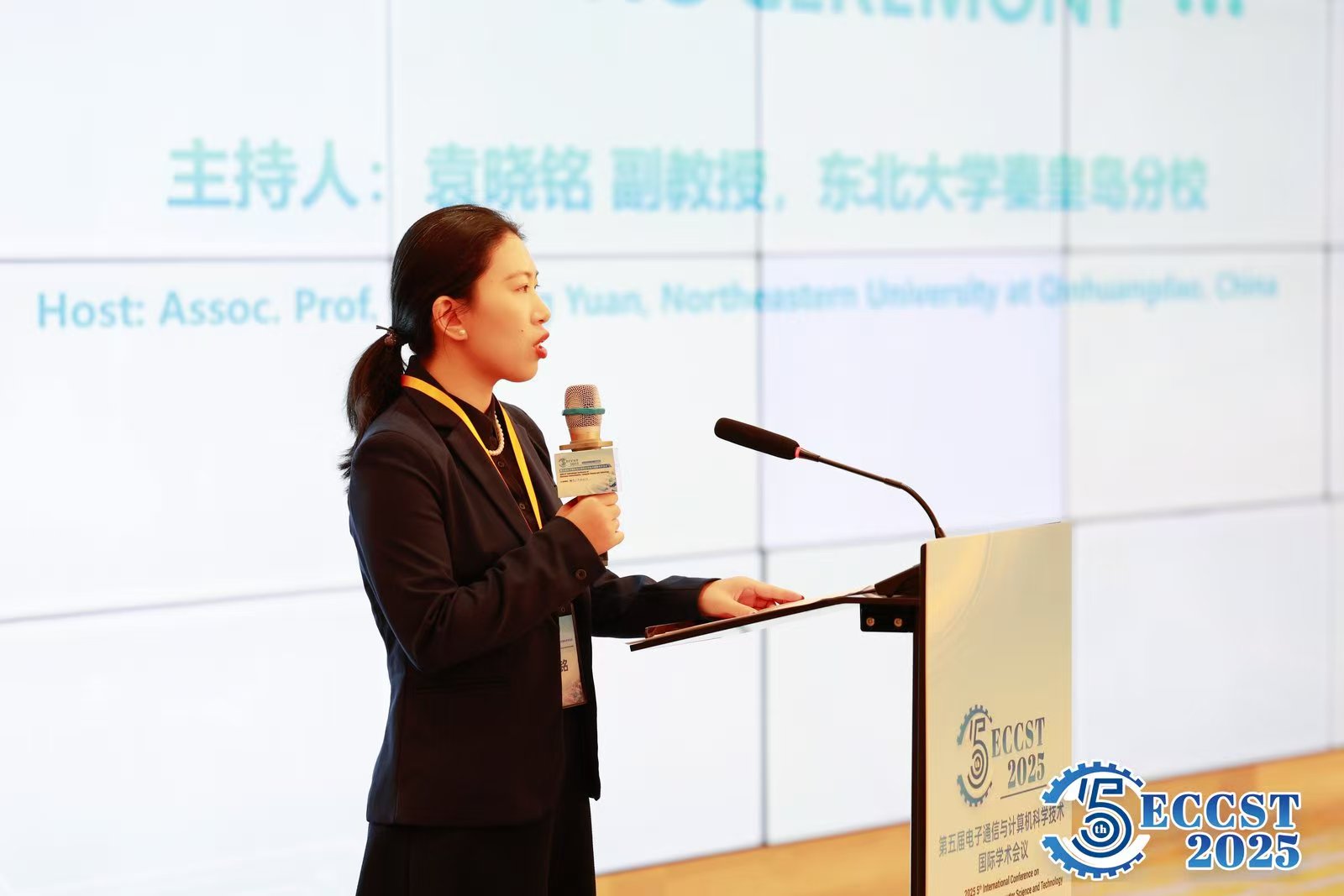
The opening ceremony was hosted by Associate Professor Yuan Xiaoming from Northeastern University at Qinhuangdao. Professor Song Xin, Dean of the School of Computer and Communication Engineering at Northeastern University at Qinhuangdao, attended and delivered a welcome speech. Dean Song Xin extended a warm welcome to all experts and scholars who traveled from afar. She emphasized that, in an era of rapid digital technology development, strengthening international academic dialogue is crucial for driving technological innovation and cultivating high-end talent. She wished the conference great success.

02 Keynote Reports
The keynote session was the core of the conference, featuring four renowned scholars from home and abroad sharing their latest research results.
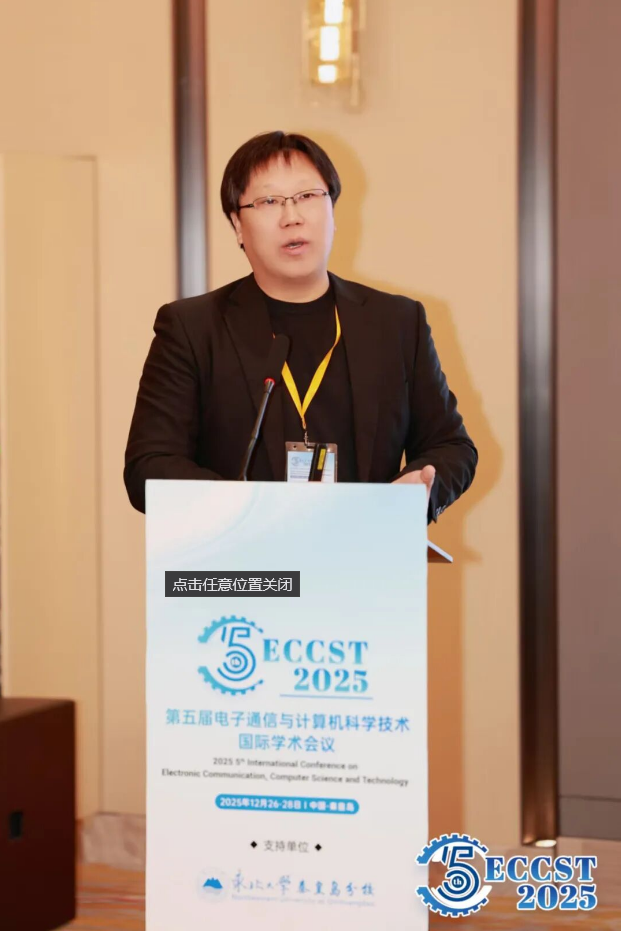
Professor Celimuge Wu, Foreign Academician of the Engineering Academy of Japan and professor at the University of Electro-Communications, presented a report titled "Low-Latency Semantic Communication Systems for Remote Driving." He deeply analyzed the core role of semantic communication in vehicle networks and edge computing, providing innovative ideas to address challenges in high-reliability, low-latency communication.
Professor Dusit Niyato (IEEE/IET Fellow ) from Nanyang Technological University delivered an online report titled "Toward Edge General Intelligence with Agentic AI and Agentification." He systematically elaborated on the cutting-edge concepts and development pathways of Agentic AI and Edge General Intelligence, pointing the way for the integration of distributed collaborative machine learning and edge computing.

Professor Sun Songlin from Beijing University of Posts and Telecommunications presented a report titled "New Cognitive Logic in the Multimedia Era." From the perspective of information transmission and processing, he re-examined the cognitive paradigm shift driven by the development of multimedia technologies and shared his latest insights into wireless communication and video coding transmission.

Professor Wang Jingjing from Beihang University, a recipient of the National Young Talent Program, spoke on "From Individual Cognition to Swarm Intelligence: Next-Generation Autonomous Aerial Systems." He explored how to combine individual cognition with swarm intelligence to drive breakthroughs in next-generation low-altitude autonomous systems.

03 Oral Presentations
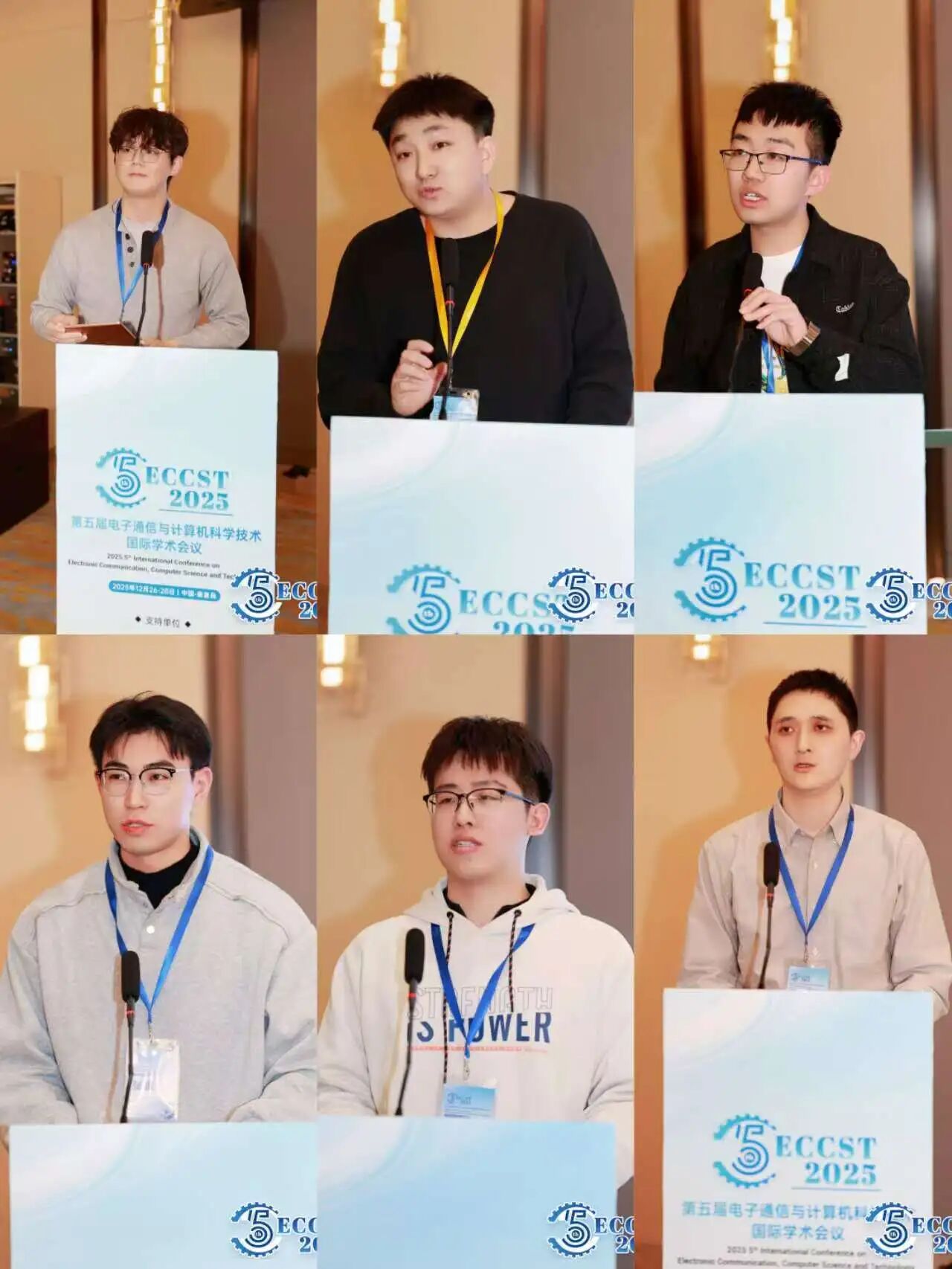
The afternoon oral presentations were equally outstanding, fully demonstrating the vitality and innovative potential of young researchers. Young scholars from more than ten renowned universities and institutions, including Tsinghua University, Xidian University, Northeastern University at Qinhuangdao, Nanjing University of Aeronautics and Astronautics, Beijing University of Posts and Telecommunications, and the Royal Institute of Technology (KTH) in Sweden, presented their work. The session was chaired by Ms. Ding Weihong from Northeastern University at Qinhuangdao.
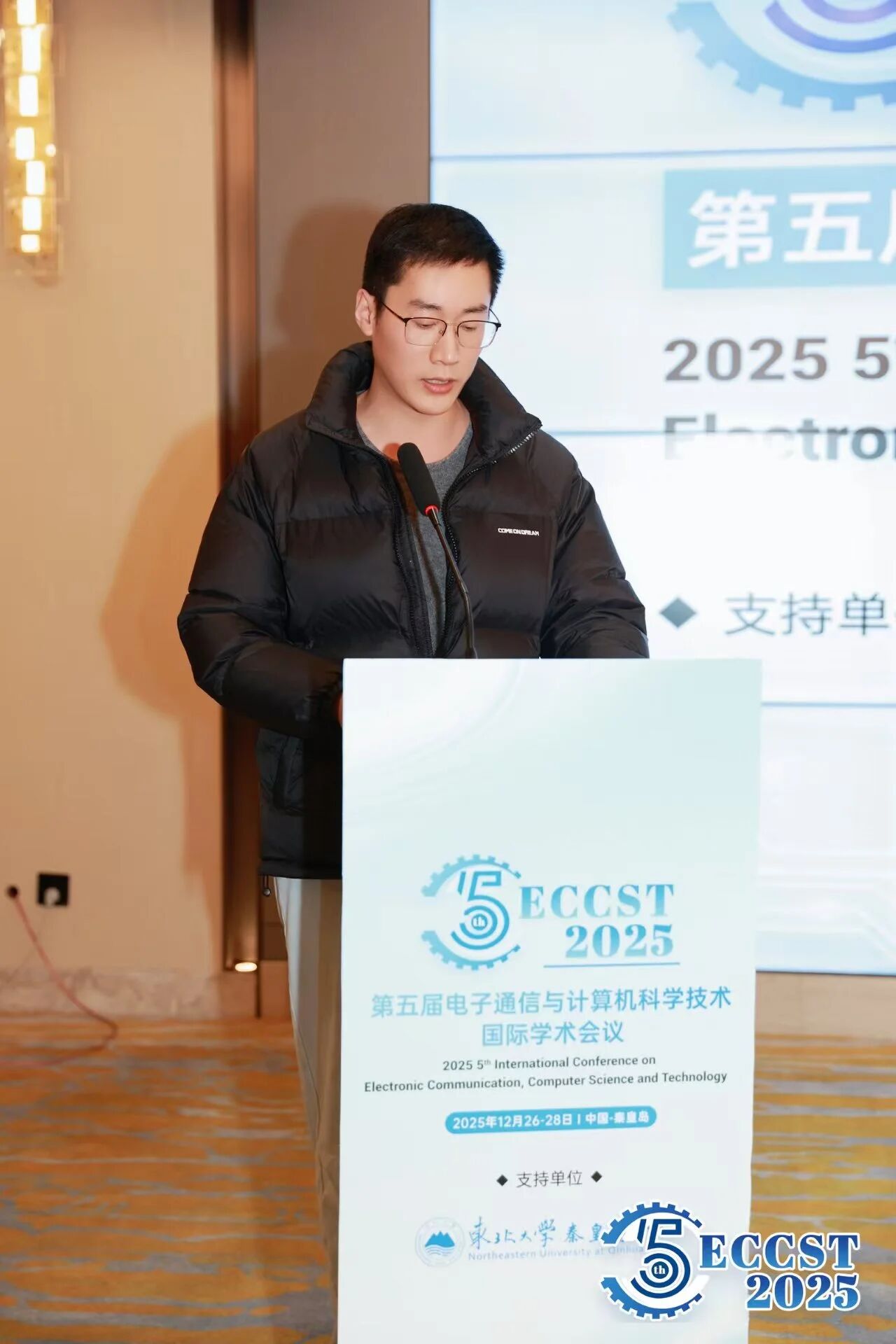
The topics covered were broad and in-depth, including reinforcement learning trajectory tracking for drones, digital twins and task offloading in connected vehicles, high-precision indoor positioning, federated learning and privacy protection in connected vehicles, depth completion for transparent objects, pneumonia diagnosis models based on fine-grained CNNs, multi-agent collaborative interference optimization, direct positioning of OFDM sources, and large language models for sitting posture health understanding, among over ten cutting-edge directions. These studies not only demonstrated solid theoretical foundations but also highlighted practical applications in key fields such as aerospace, smart transportation, and healthcare.

04 Blended Online-Offline Model
To promote broader academic participation, the conference adopted a blended online-offline model. Participants who could not attend in person listened to the keynote reports synchronously via the online platform and took part in some exchange activities, enabling cross-geographical academic interaction.
05 Awards and Recognition
To encourage innovation, the conference established awards for Outstanding Young Scholar Report and Outstanding Paper. After rigorous manuscript review by the committee experts and comprehensive evaluation by an on-site jury, the winners were selected. At the award ceremony held at the end of the conference, the organizing committee presented certificates of honor to the award-winning young scholars, recognizing their outstanding research capabilities and academic potential.
The successful organization of the 5th ECCST conference not only provided a platform for scholars in related fields to deeply exchange ideas and showcase their achievements but also further promoted interdisciplinary innovation and collaborative development in the fields of electronic communication and computer science technology. The conference concluded in a lively academic atmosphere, with participants looking forward to future gatherings and more groundbreaking achievements in the field.